
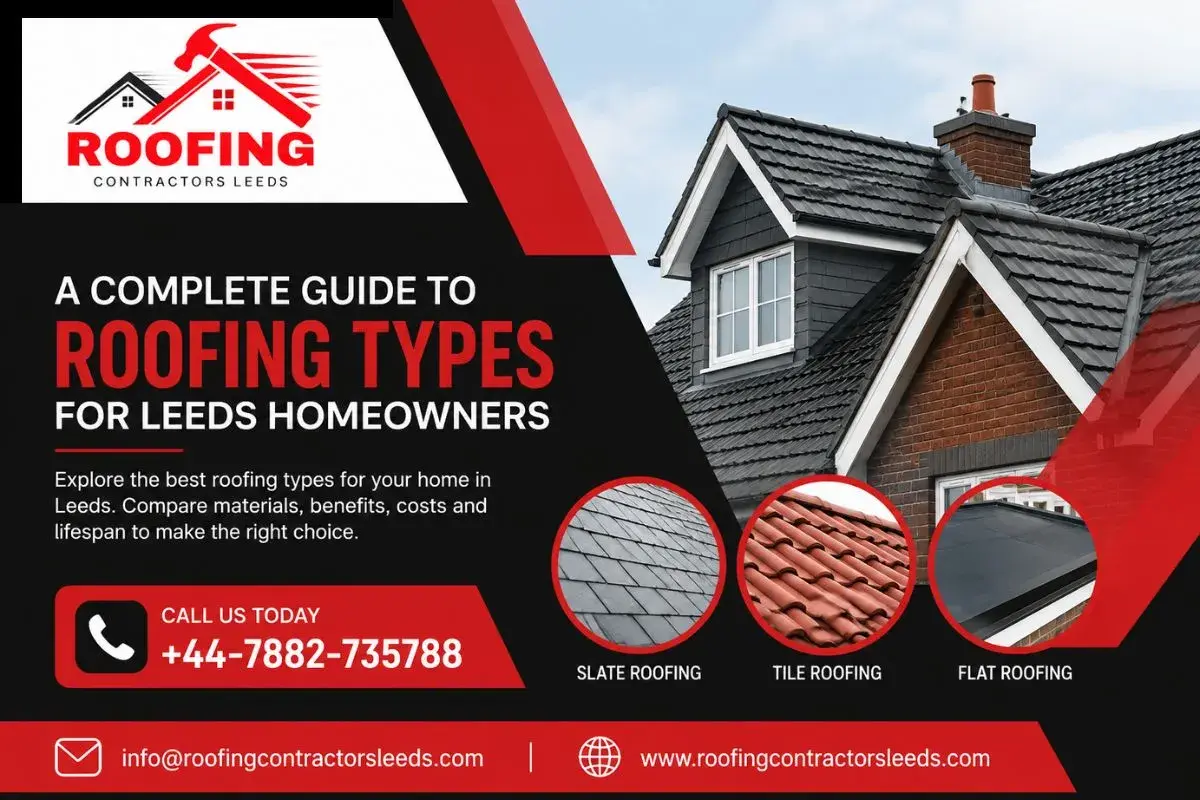
Your roof is one of the most important parts of your home. It protects your property from rain, wind, frost and changing temperatures while helping to keep your home comfortable throughout the year. Whether you’re replacing an ageing roof, building an extension or planning a new roof installation, choosing the right roofing material is an investment that will affect your home’s durability, appearance and value for decades.
Leeds experiences a varied climate with frequent rainfall, strong winds and occasional snow during winter. These conditions make it essential to select a roofing system that can withstand the local weather while complementing the style of your property.
This guide explores the most popular roofing types for Leeds homeowners, explains their advantages and disadvantages, and helps you decide which option best suits your home and budget.
Before comparing roofing materials, it’s worth considering the factors that influence your decision.
The weather in Leeds can be unpredictable. Heavy rain, damp conditions and seasonal storms place constant pressure on roofing materials. Choosing a roof designed for the local climate helps reduce maintenance and extends its lifespan.
Roofing costs vary significantly depending on the material, labour requirements and roof size. While some materials have a higher upfront cost, they often provide better long-term value because they last longer and require fewer repairs.
The right roofing material should complement your home’s architecture. Victorian terraces, traditional cottages and modern developments all benefit from different roofing styles.
Some roofs can last over a century, while others may require replacement after 20 years. Understanding the expected lifespan helps you plan for the future.
Certain materials require very little upkeep, while others need regular inspections and repairs to remain in good condition.
Modern roofing systems can improve insulation, helping reduce heat loss during winter and keeping your home cooler during warmer months.
Slate remains one of the most desirable roofing materials in the UK, particularly for traditional homes throughout Yorkshire.
Natural slate is quarried stone that is cut into thin tiles before being installed on pitched roofs. It has been used across Britain for generations because of its exceptional durability.
Extremely long lifespan, often exceeding 100 years
Excellent resistance to rain, frost and wind
Attractive natural appearance
Low maintenance
Adds value to period properties
Higher installation costs.
Heavier than many alternative materials.
Requires experienced roofing professionals for installation.
Roof tiles remain one of the most common roofing choices across Leeds.
Clay tiles are known for their distinctive appearance and excellent longevity. Their natural colour remains attractive for decades, making them popular on traditional homes.
Concrete tiles provide a cost-effective alternative while offering impressive durability. Available in various colours and profiles, they suit many different property styles.
Advantages
Long service life
Strong weather resistance
Available in many styles
Easy to replace individual damaged tiles
Disadvantages
Flat roofs are commonly found on garages, home extensions, dormers and commercial buildings.
Today’s flat roofing systems are far more reliable than older felt roofs, offering excellent waterproofing when installed correctly.
EPDM is a durable synthetic rubber membrane designed to resist UV exposure and harsh weather.
Benefits
GRP (Glass Reinforced Plastic) creates a seamless waterproof finish.
Advantages
Modern felt roofing remains a practical solution for smaller buildings.
It offers:
For most Leeds homeowners, EPDM and GRP systems provide the best balance between durability, performance and maintenance. If you’re considering a new flat roof or replacing an existing one, explore our Flat Roofing Services to find the right solution for your property.
Metal roofing has become increasingly popular on contemporary homes thanks to its modern appearance and impressive lifespan.
Metal roofing works particularly well on modern architectural designs, extensions and commercial properties.
Although more common in North America, asphalt shingles are becoming increasingly popular on certain UK residential properties.
Most quality asphalt shingles last between 20 and 30 years with proper maintenance.
They can perform well when professionally installed, although slate and tile roofing generally remain the preferred options for traditional Leeds homes.
Lead has been used in British roofing for centuries and continues to play an important role today.
Lead is commonly installed around:
Regular inspections help identify movement, cracks or loose sections before water penetration develops.
Green roofs are becoming increasingly popular among environmentally conscious homeowners.
A green roof supports vegetation above a waterproof roofing system, creating a natural layer that provides insulation and environmental benefits.
Although installation costs are higher, green roofs can improve energy efficiency while creating valuable outdoor space.
More homeowners are exploring renewable energy solutions to reduce electricity costs.
Solar panels convert sunlight into electricity, helping power your home while reducing reliance on the national grid.
Although the initial investment is significant, many homeowners recover costs over time through reduced energy usage.
There isn’t one roofing material that suits every property.
Victorian Homes
Natural slate maintains the property’s original character while providing exceptional longevity.
Semi-Detached Houses
Concrete or clay tiles offer excellent durability at a reasonable cost.
Detached Properties
Slate, clay tiles or metal roofing can all provide attractive long-term solutions depending on the property’s style.
New-Build Homes
Modern developments often benefit from concrete tiles or metal roofing systems that combine durability with contemporary design.
Commercial Buildings
Flat roofing systems such as EPDM and GRP are popular because they provide reliable waterproof protection and relatively low maintenance.
Roofing Type | Lifespan | Maintenance | Cost | Best For |
Slate | 75–100+ Years | Low | High | Traditional Homes |
Clay Tile | 50–100 Years | Low | High | Period Properties |
Concrete Tile | 40–60 Years | Low | Medium | Most Homes |
EPDM Rubber | 25–50 Years | Low | Medium | Flat Roofs |
GRP Fibreglass | 25–40 Years | Low | Medium | Extensions |
Felt Roofing | 10–20 Years | Medium | Low | Garages & Sheds |
Metal Roofing | 40–70 Years | Low | High | Modern Homes |
Asphalt Shingles | 20–30 Years | Medium | Low | Budget Projects |
Lead Roofing | 60–100 Years | Low | High | Heritage Buildings |
No matter which roofing material you choose, regular maintenance can significantly extend its lifespan.
Professional inspections help identify small issues before they become expensive repairs.
Blocked gutters cause overflowing water that can damage fascias, soffits and roof coverings.
Moss traps moisture, which may shorten the lifespan of roofing materials if left untreated.
Replacing cracked tiles or repairing damaged flashing early helps prevent water ingress.
Routine maintenance reduces the likelihood of emergency repairs and keeps your roof performing at its best throughout the year.
Natural slate is among the longest-lasting roofing materials, often exceeding 100 years when installed and maintained correctly.
Felt roofing and asphalt shingles are generally among the more budget-friendly options, although long-term maintenance should also be considered.
Slate, clay tiles, concrete tiles and modern EPDM flat roofing systems all perform exceptionally well in Leeds’ wet and often windy climate.
For many homeowners, yes. Their durability, appearance and long lifespan can provide excellent long-term value.
Most roofing professionals recommend a full inspection at least once a year and after severe storms.
EPDM rubber roofing and GRP fibreglass roofing are widely regarded as two of the most reliable flat roofing systems available today.
Yes. Experienced roofing contractors can carry out roof replacements during winter, although weather conditions may occasionally affect scheduling.
Choosing the right roof is about more than appearance. The ideal roofing system should suit your property’s design, perform well in Leeds’ changing weather and provide dependable protection for many years.
Whether you’re considering durable slate, versatile roof tiles, modern flat roofing or an energy-efficient solution, investing in quality materials and professional installation will help safeguard your home and reduce future maintenance costs.
If you’re unsure which roofing option is best for your property, speaking with an experienced local roofing contractor can help you make an informed decision. A professional roof inspection and personalised recommendation will ensure your investment delivers lasting performance, value and peace of mind.
Professional roofers you can trust. From repairs to full replacements, we deliver quality workmanship at competitive prices.
Copyright © 2026 Roofer Leeds. All Rights Reserved.